A router table is a woodworking machine that provides a stable surface for a router to work on. It is an essential tool for any woodworking enthusiast, allowing for precise and accurate cuts on a piece of wood. The size of a typical router table can vary depending on the manufacturer, but there are some standard sizes that are commonly available. Here are some common sizes of router tables:
Benchtop router table
A benchtop router table is a compact and portable table that can be placed on any surface. The size of a benchtop router table is typically between 20 and 25 inches in length and 15 to 18 inches in width.
Floor-standing router table
A floor-standing router table is a larger and more stable table that is designed to be placed on the floor. The size of a floor-standing router table is typically between 30 and 36 inches in length and 24 to 27 inches in width.
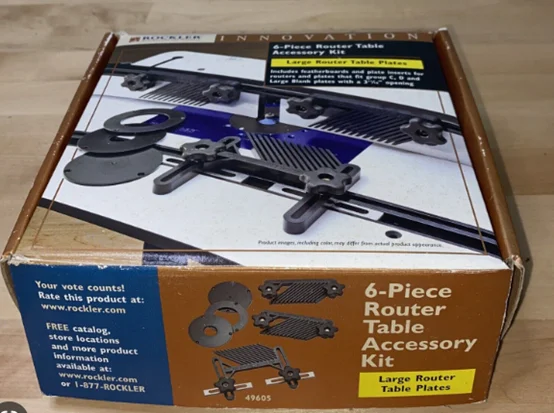
Extension router table
An extension router table is designed to be attached to the side of a table saw, providing additional workspace for routing. The size of an extension router table can vary depending on the size of the table saw it is attached to.
The size of a typical router table can vary depending on the type of table and the manufacturer. A benchtop router table is usually between 20 and 25 inches in length, while a cabinet router table can be up to 52 inches in length. A router table top can be customized to fit the needs of the user, but they are typically between 24 and 36 inches in length. Choose the size of router table that best suits your needs and workspace to achieve professional-grade results.
What are the benefits of using a router table?
A router table is a versatile woodworking tool that provides numerous benefits for woodworkers, whether they are professionals or hobbyists. It is a stationary machine that helps to hold a router securely in place, allowing the user to perform more accurate and precise cuts. Here are some of the benefits of using a router table:
Precision and accuracy
One of the significant benefits of using a router table is precision and accuracy. The table provides a stable and flat surface that helps to ensure that the cuts are straight and consistent. The router bit stays in a fixed position, giving the operator more control over the workpiece. This precision and accuracy are especially important when making precise cuts, such as dadoes or rabbets.
Safety
Working with a router can be hazardous, especially when the operator tries to freehand cut. A router table provides a safer way to work with a router, as it holds the router securely in place, reducing the risk of accidental injury. Additionally, the router bit is always visible, which helps the operator avoid the potential danger of a hidden blade.
Versatility
A router table is a versatile tool that can be used for a wide range of woodworking tasks. It can be used to create decorative edges on the edges of the workpiece or to cut grooves and slots. The table can also be used to make raised panels, tenons, and mortises, which are difficult to achieve using a handheld router.
Time-saving
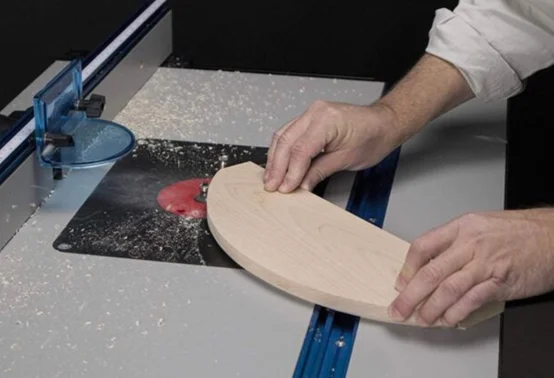
Using a router table can save a considerable amount of time when compared to performing the same task manually using a handheld router. The machine frees up the operator's hands, allowing them to focus on guiding the workpiece through the cutter. The table's fence ensures that the cuts are consistent, reducing the time required for removing excess material.
Improved dust collection
A router table is designed to incorporate dust collection, which helps to improve the work environment's cleanliness. The dust collection system helps to keep the work area clean, reducing the amount of time required for cleaning up after the job is done.
In conclusion, a router table is an essential tool for any woodworking project. It offers numerous benefits, including precision and accuracy, safety, versatility, time-saving, improved dust collection, and cost-effectiveness. Investing in a router table is a wise decision for any woodworker looking to perform professional-grade cuts with ease.
评论
发表评论